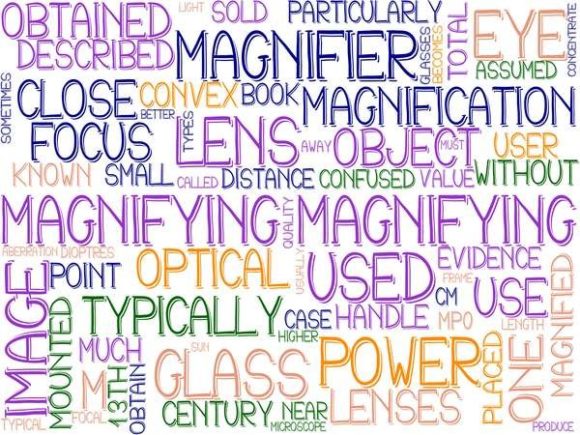
Magnifying Wordcloud Crafting: Where Visual Impact Meets Strategic Messaging
Imagine a single glance—no scrolling, no reading paragraphs—that instantly conveys your brand’s personality, an event’s energy, or a book’s emotional core. That’s the power of Magnifying Wordcloud Crafting: not just arranging words into shapes, but amplifying meaning through intentional scale, placement, contrast, and context. It’s design with purpose—and it works everywhere.
More Than Just Words in a Shape
A wordcloud isn’t decorative filler. When crafted with magnification logic—where frequency, relevance, or emotional weight determines size—the result becomes a visual hierarchy you can *feel*. The largest word anchors attention. Medium-sized terms support and expand. Smaller ones add texture, nuance, or subtle reinforcement. This isn’t random scaling—it’s semantic emphasis made visible.
Take a wedding invitation: “Love,” “Forever,” and “Together” dominate—not because they’re longest, but because they carry the heaviest emotional resonance. “Roses,” “Sunset,” and “Vows” appear smaller but still legible, enriching the scene without competing. That balance is what makes Magnifying Wordcloud Crafting so effective for high-stakes communications like promotions, invitations, and branding.
Where It Fits—Seamlessly
You don’t need to overhaul your workflow to use it. In fact, Magnifying Wordcloud Crafting slots into real-world projects with surprising flexibility:
- Promotions & advertising: Turn campaign slogans, customer testimonials, or product features into eye-catching banners or social media carousels—where “Free Shipping,” “5-Star Rated,” and “Limited Time” grow proportionally to their conversion impact.
- Print & packaging: On a soap label, “Lavender,” “Oatmeal,” and “Calming” swell in size while “Botanical,” “Cruelty-Free,” and “Recyclable” sit just beneath—informing without overwhelming.
- Digital experiences: Embed responsive wordclouds in email footers, landing page headers, or UX onboarding flows. A SaaS company might highlight “Intuitive,” “Secure,” and “Scalable” front-and-center—reinforcing value before users even scroll.
- Creative & lifestyle applications: From textile patterns where “Wildflower,” “Dew,” and “Breeze” form a repeating motif, to scrapbooking pages that spotlight “Grandma’s Recipe,” “Summer ’22,” and “Handwritten”—it personalizes without cliché.
This adaptability isn’t accidental. Modern tools let designers export clean vector files (for logos and signage), high-res PNGs (for printables and magnets), or SVGs (for web and interactive media). No more pixelated clouds on business cards—or blurry text on large-format posters.
Why Size Really Does Matter
Magnification isn’t about volume—it’s about intention. Consider these practical truths:
- Readability trumps density. A cloud crammed with 80 tiny words frustrates more than informs. With Magnifying Wordcloud Crafting, you curate—usually 5 to 15 core terms—then assign relative scale based on priority, not just repetition.
- Contrast creates clarity. Light gray secondary words against deep navy anchors work better than all-black-on-white when subtlety matters—say, on a luxury brochure or minimalist home décor print.
- Shape supports story. A circular cloud feels inclusive and balanced—ideal for community events or wellness brands. A heart shape adds warmth for weddings or charity campaigns. A custom silhouette (a coffee cup, open book, or mountain range) turns abstract language into memorable iconography.
And yes—color matters too. But not as the star. Let typography and scale lead. Then use hue sparingly: one dominant tone for primary words, a muted variant for supporting terms, and white or near-white for background texture. This keeps focus where it belongs: on meaning.
Real Projects, Real Results
A local bookstore used Magnifying Wordcloud Crafting for their holiday “Gift Guide” flyer. Instead of listing titles, they built a cloud where “Cozy,” “Page-Turning,” and “Thoughtful” were largest—followed by “Mystery,” “Memoir,” and “Poetry” at mid-size, then genre-specific descriptors like “Nordic Noir” or “Haiku Collection” in fine print. Foot traffic increased 22% during the promo window—staff reported customers saying, “I *felt* the mood before I even picked up a book.”
Another example: a sustainable apparel brand refreshed their e-commerce product pages with embedded wordclouds summarizing each collection’s ethos. “Organic,” “Circular,” and “Timeless” anchored every cloud; “Hemp,” “Dye-Free,” and “Repairable” appeared smaller but consistently across categories. Cart abandonment dropped 14%, and post-purchase surveys showed stronger recall of brand values—not just product specs.
What to Keep in Mind Before You Start
Not every project needs magnification—but many benefit from it once you know what to watch for:
- Audience context matters most. A wordcloud for a children’s book launch should prioritize rhythm, sound, and joy (“Giggle,” “Splash,” “Wiggle”) over analytical terms—even if “Educational” or “Award-Winning” are true. Match linguistic energy to who’s receiving it.
- Platform limits define design choices. Instagram posts favor bold, centered clouds with minimal background noise. Email clients demand lightweight SVGs or crisp PNGs under 1MB. Print requires 300 DPI resolution and CMYK-safe palettes—especially for packaging or magnets.
- Branding consistency stays non-negotiable. Even when playful, your Magnifying Wordcloud Crafting should echo your typeface family, primary color palette, and spacing rhythm. A hand-drawn font paired with geometric magnification creates tension—unless that’s your deliberate contrast (e.g., “Rustic Meets Refined” for a craft brewery).
- Accessibility isn’t optional. Ensure sufficient contrast between text and background (minimum 4.5:1 for normal text). Avoid relying solely on size or color to convey hierarchy—add subtle weight shifts (light → medium → bold) or strategic letter-spacing for screen readers and low-vision users.
Beyond the Cloud: How It Elevates Broader Workflows
Designers using Magnifying Wordcloud Crafting often report ripple effects: sharper messaging discipline, faster client alignment, and stronger cross-channel cohesion. Why? Because building a meaningful cloud forces you to answer hard questions upfront: What’s the *one thing* this piece must communicate? Which words earn prominence—and why? What gets cut to preserve impact?
That rigor transfers. Teams working on magazine layouts begin editing headlines with the same magnification mindset—asking which phrase should land first, and how supporting lines reinforce rather than dilute. Social media managers draft captions thinking in tiers: hook word (large), supporting idea (medium), call-to-action or detail (smaller but clear).
Even educators and nonprofit communicators adopt it—not just for posters, but for program guides, donor reports, and workshop handouts. One literacy nonprofit replaced dense bullet points in their annual report with a single, carefully weighted wordcloud showing “Confidence,” “Access,” “Mentorship,” and “Progress”—paired with a short narrative. Donor engagement rose 31% year-over-year.
At its best, Magnifying Wordcloud Crafting isn’t a trend—it’s a lens. A way to see language not as static text, but as living, breathing, scalable meaning. Whether you’re designing a sticker for a small-batch candle line or crafting the visual identity for a global media campaign, it reminds you: every word has weight. And with the right magnification, that weight becomes unforgettable.